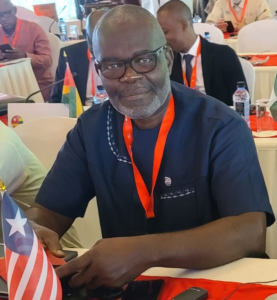
Directors
Established in 1955
The Liberia National Olympic Committee (LNOC) was established in 1954 and officially recognized by the International Olympic Committee (IOC) on June 17, 1955. Its primary responsibility is to represent Liberia in the Olympic Movement, coordinate the country’s participation in international sporting events, promote the principles of Olympism, and contribute to the development of sports throughout Liberia.
Liberia made its Olympic debut at the 1956 Summer Olympics in Melbourne, Australia. Since then, the country has participated in 14 Summer Olympic Games, although it missed the 1968, 1976, 1980, and 1992 Games. The LNOC works closely with national sports federations to identify athletes, organize qualification processes, provide training and logistical support, and facilitate Liberia’s participation in international competitions.
History and Development: From its establishment, the LNOC has worked to promote athletics and other sports, strengthen grassroots participation, and use sport as a means of national development and unity.
However, Liberia’s civil wars from 1989–1997 and 1999–2003 severely affected the country’s sporting system. Sports activities were suspended in many areas, facilities were damaged, and many athletes were displaced or forced to leave the country. Despite these difficulties, the LNOC continued to represent Liberia internationally, including at the 1996 Atlanta Olympic Games.
Following the civil wars, the LNOC concentrated on rebuilding sports infrastructure, restoring the activities of national federations, and strengthening relationships with international sporting organizations. Government assistance, international support, sponsorships, and IOC programs helped sustain Liberia’s participation in international competitions.
Nevertheless, insufficient funding, limited infrastructure, and inconsistent government support continue to affect athlete preparation and the overall development of sports.
Former and Current President of the LNOC
According to the document, the LNOC has been led by the following presidents:
No. | President | Tenure stated in the document |
1 | Frank Roberts | 1955–1971 |
2 | Joseph Chesson | 1971–1978 |
3 | Estrada Bernard | 1978–1981 |
4 | Fred Blay | 1981–Unknown end date |
5 | Jabaru Carlon | 1991–Unknown end date |
6 | Borbor Gaye | Until 2000 |
7 | Clemenceau Urey | 2000–2003 |
8 | Deborah Williams | 2003–2005 |
9 | Philipbert S. Browne | 2005–2024 |
10 | Sylvester D. Rennie | Elected February 2025–Present (four-year term) |
The document identifies Philipbert S. Browne’s 2005–2024 tenure as the longest clearly stated presidency, lasting approximately 20 years. His administration focused on stabilization, rebuilding sports infrastructure, anti-doping compliance, youth programs, and maintaining Liberia’s participation in international competitions.
The leadership transition in February 2025, when Cllr. Sylvester D. Rennie was elected President, is described as the beginning of a new phase emphasizing improved governance, international partnerships, athlete development, and stronger participation in global competitions.
Current Leadership and Governance: According to the document, the LNOC is led by President Sylvester D. Rennie, supported by:
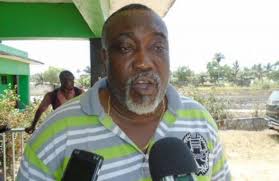
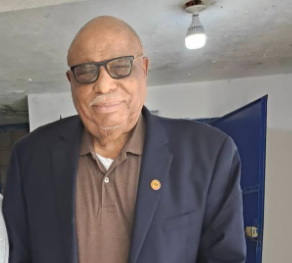
- Malcolm Joseph ———– Vice President for Administration
- Kouty Mawenh —- Vice President for Technical Affairs
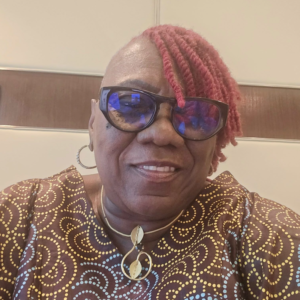
- D. Sheba Browne ————Vice President for Women’s Affairs
- Samuel Ahmed Tukpah ——– Secretary General
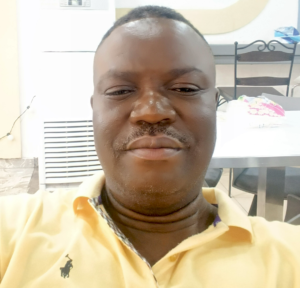
- Saah Roberts ————- Assistant Secretary General
- Boie F. L. Corvah ————— Treasurer
The LNOC operates through an Executive Board, with the President providing overall leadership. The Secretary General’s office manages administrative coordination, communication, reporting, and relations with international organizations.
The LNOC also maintains specialized commissions, including structures responsible for anti-doping and athlete representation. Its governance is intended to comply with the Olympic Charter, IOC requirements, and relevant continental Olympic regulations.
Liberia’s Olympic Participation: Liberia has participated in 14 Summer Olympic Games since its debut in Melbourne in 1956.
The country missed four Games:
- 1968 – Mexico City
- 1976 – Montreal
- 1980 – Moscow, because of the international boycott
- 1992 – Barcelona, during Liberia’s civil war
Approximately 65 Liberian athletes have represented the country at the Summer Olympics, with athletics accounting for the largest number of participants.
Liberia has won several Olympic medals, and several athletes have achieved strong performances, particularly in track and field.
Notable Liberian Olympians: James Roberts represented Liberia at the 1956 Melbourne Games and again at the 1960 Rome Games.
Grace-Ann Dinkins became Liberia’s first female Olympian at the 1984 Los Angeles Games and later competed at the 1996 Atlanta and 2000 Sydney Olympics.
Emmanuel Matadi represented Liberia at the 2016 Rio and 2020 Tokyo Olympics. He holds national records in the 60m, 100m, and 200m and won a bronze medal in the 200m at the 2019 African Games.
Joseph Fahnbulleh has emerged as one of Liberia’s most successful recent Olympians. He finished fifth in the men’s 200m at Tokyo 2020 with a national record of 19.98 seconds and seventh at Paris 2024. He has also won silver medals in the 400m at the 2022 and 2023 World Athletics Championships.
Major LNOC Programs and Initiatives
The LNOC has implemented programs aimed at developing sports from the grassroots level to elite competition.
- Youth and Grassroots Development: The Committee works with national sports federations to promote sports among young people through schools, communities, and youth competitions. The FUTBOLNET Tournament is one example of a youth-oriented program.
- Anti-Doping: The LNOC promotes clean sport and compliance with the World Anti-Doping Code. In 2021, it conducted an anti-doping workshop in Monrovia that brought together approximately 80 athletes and sports representatives.
- Women’s Development: The LNOC has placed greater emphasis on women’s participation and leadership in sports, including the appointment of a Vice President for Women’s Affairs and efforts to improve training and coaching opportunities for female athletes.
- Sports Infrastructure: The Committee works with the Ministry of Youth and Sports and other partners to improve sporting facilities, training venues, and grassroots infrastructure.
- Olympic Day: The LNOC organizes Olympic Day activities to promote Olympic values and encourage young people to participate in sports.
- Athlete Development: Through partnerships and IOC Olympic Solidarity programs, the LNOC supports athlete training, international exposure, scholarships, and preparation for major competitions.
International Partnerships: The LNOC has been a member of the IOC since 1955 and is also affiliated with continental and international Olympic organizations, including ANOC and ANOCA.
Through Olympic Solidarity, Liberia has received support for:
- Athlete development
- Coaching and training
- Grassroots sports
- Olympic Clubs
- Sports infrastructure
- Other capacity-building programs
The LNOC also supports Liberia’s participation in regional competitions such as the All-Africa Games and African Youth Games.
Major Challenges: The document identifies several challenges that continue to affect the LNOC and Liberian sports:
- Limited and inconsistent funding
- Inadequate sports infrastructure
- Insufficient resources for athlete preparation
- Dependence on international assistance
- Limited government financial support
- Long-term effects of Liberia’s civil wars
- Need for stronger partnerships and resource mobilization
- Need for greater investment in youth and grassroots sports
Overall Conclusion: The history of the Liberia National Olympic Committee is a story of resilience and continuity. Since its establishment in 1954 and recognition by the IOC in 1955, the LNOC has maintained Liberia’s presence in the Olympic Movement despite civil wars, limited resources, inadequate infrastructure, and financial challenges. Over the years, successive presidents have contributed to the development and survival of Liberia’s Olympic movement. The 2005–2025 administration of Philipbert S. Browne, according to the document, represented the longest stated presidential tenure and focused heavily on post-war stabilization and sports development. The election of Sylvester D. Rennie in February 2025 marked a new chapter focused on governance, partnerships, athlete support, and international participation. Going forward, the LNOC’s success will depend on sustainable financing, stronger governance, improved infrastructure, systematic athlete development, youth development, women’s participation, effective resource mobilization, and stronger partnerships with the IOC, government, private sector, and international organizations.
In summary, the LNOC has preserved Liberia’s place in the Olympic Movement for more than seven decades, and its next major challenge is to transform that continuity into sustainable sporting excellence and stronger Olympic results.
The Liberia National Olympic Committee (LNOC) was established in 1954 and officially recognized by the International Olympic Committee (IOC) on June 17, 1955. Its primary responsibility is to represent Liberia in the Olympic Movement, coordinate the country’s participation in international sporting events, promote the principles of Olympism, and contribute to the development of sports throughout Liberia.
Liberia made its Olympic debut at the 1956 Summer Olympics in Melbourne, Australia. Since then, the country has participated in 14 Summer Olympic Games, although it missed the 1968, 1976, 1980, and 1992 Games. The LNOC works closely with national sports federations to identify athletes, organize qualification processes, provide training and logistical support, and facilitate Liberia’s participation in international competitions.
History and Development: From its establishment, the LNOC has worked to promote athletics and other sports, strengthen grassroots participation, and use sport as a means of national development and unity.
However, Liberia’s civil wars from 1989–1997 and 1999–2003 severely affected the country’s sporting system. Sports activities were suspended in many areas, facilities were damaged, and many athletes were displaced or forced to leave the country. Despite these difficulties, the LNOC continued to represent Liberia internationally, including at the 1996 Atlanta Olympic Games.
Following the civil wars, the LNOC concentrated on rebuilding sports infrastructure, restoring the activities of national federations, and strengthening relationships with international sporting organizations. Government assistance, international support, sponsorships, and IOC programs helped sustain Liberia’s participation in international competitions.
Nevertheless, insufficient funding, limited infrastructure, and inconsistent government support continue to affect athlete preparation and the overall development of sports.
Former and Current President of the LNOC
According to the document, the LNOC has been led by the following presidents:
No. | President | Tenure stated in the document |
1 | Frank Roberts | 1955–1971 |
2 | Joseph Chesson | 1971–1978 |
3 | Estrada Bernard | 1978–1981 |
4 | Fred Blay | 1981–Unknown end date |
5 | Jabaru Carlon | 1991–Unknown end date |
6 | Borbor Gaye | Until 2000 |
7 | Clemenceau Urey | 2000–2003 |
8 | Deborah Williams | 2003–2005 |
9 | Philipbert S. Browne | 2005–2024 |
10 | Sylvester D. Rennie | Elected February 2025–Present (four-year term) |
The document identifies Philipbert S. Browne’s 2005–2024 tenure as the longest clearly stated presidency, lasting approximately 20 years. His administration focused on stabilization, rebuilding sports infrastructure, anti-doping compliance, youth programs, and maintaining Liberia’s participation in international competitions.
The leadership transition in February 2025, when Cllr. Sylvester D. Rennie was elected President, is described as the beginning of a new phase emphasizing improved governance, international partnerships, athlete development, and stronger participation in global competitions.
Current Leadership and Governance: According to the document, the LNOC is led by President Sylvester D. Rennie, supported by:
- Malcolm Joseph ———– Vice President for Administration
- Mr. Kouty Mawenh — Vice President for Technical Affairs
- D. Sheba Browne ————-Vice President for Women’s Affairs
- Samuel Ahmed Tukpah ——– Secretary General
- Boie F. L. Corvah ————— Treasurer
- Saah Roberts —————— Assistant Secretary General
The LNOC operates through an Executive Board, with the President providing overall leadership. The Secretary General’s office manages administrative coordination, communication, reporting, and relations with international organizations.
The LNOC also maintains specialized commissions, including structures responsible for anti-doping and athlete representation. Its governance is intended to comply with the Olympic Charter, IOC requirements, and relevant continental Olympic regulations.
Liberia’s Olympic Participation: Liberia has participated in 14 Summer Olympic Games since its debut in Melbourne in 1956.
The country missed four Games:
- 1968 – Mexico City
- 1976 – Montreal
- 1980 – Moscow, because of the international boycott
- 1992 – Barcelona, during Liberia’s civil war
Approximately 65 Liberian athletes have represented the country at the Summer Olympics, with athletics accounting for the largest number of participants.
Liberia has won several Olympic medals, and several athletes have achieved strong performances, particularly in track and field.
Notable Liberian Olympians: James Roberts represented Liberia at the 1956 Melbourne Games and again at the 1960 Rome Games.
Grace-Ann Dinkins became Liberia’s first female Olympian at the 1984 Los Angeles Games and later competed at the 1996 Atlanta and 2000 Sydney Olympics.
Emmanuel Matadi represented Liberia at the 2016 Rio and 2020 Tokyo Olympics. He holds national records in the 60m, 100m, and 200m and won a bronze medal in the 200m at the 2019 African Games.
Joseph Fahnbulleh has emerged as one of Liberia’s most successful recent Olympians. He finished fifth in the men’s 200m at Tokyo 2020 with a national record of 19.98 seconds and seventh at Paris 2024. He has also won silver medals in the 400m at the 2022 and 2023 World Athletics Championships.
Major LNOC Programs and Initiatives
The LNOC has implemented programs aimed at developing sports from the grassroots level to elite competition.
- Youth and Grassroots Development: The Committee works with national sports federations to promote sports among young people through schools, communities, and youth competitions. The FUTBOLNET Tournament is one example of a youth-oriented program.
- Anti-Doping: The LNOC promotes clean sport and compliance with the World Anti-Doping Code. In 2021, it conducted an anti-doping workshop in Monrovia that brought together approximately 80 athletes and sports representatives.
- Women’s Development: The LNOC has placed greater emphasis on women’s participation and leadership in sports, including the appointment of a Vice President for Women’s Affairs and efforts to improve training and coaching opportunities for female athletes.
- Sports Infrastructure: The Committee works with the Ministry of Youth and Sports and other partners to improve sporting facilities, training venues, and grassroots infrastructure.
- Olympic Day: The LNOC organizes Olympic Day activities to promote Olympic values and encourage young people to participate in sports.
- Athlete Development: Through partnerships and IOC Olympic Solidarity programs, the LNOC supports athlete training, international exposure, scholarships, and preparation for major competitions.
International Partnerships: The LNOC has been a member of the IOC since 1955 and is also affiliated with continental and international Olympic organizations, including ANOC and ANOCA.
Through Olympic Solidarity, Liberia has received support for:
- Athlete development
- Coaching and training
- Grassroots sports
- Olympic Clubs
- Sports infrastructure
- Other capacity-building programs
The LNOC also supports Liberia’s participation in regional competitions such as the All-Africa Games and African Youth Games.
Major Challenges: The document identifies several challenges that continue to affect the LNOC and Liberian sports:
- Limited and inconsistent funding
- Inadequate sports infrastructure
- Insufficient resources for athlete preparation
- Dependence on international assistance
- Limited government financial support
- Long-term effects of Liberia’s civil wars
- Need for stronger partnerships and resource mobilization
- Need for greater investment in youth and grassroots sports
Overall Conclusion: The history of the Liberia National Olympic Committee is a story of resilience and continuity. Since its establishment in 1954 and recognition by the IOC in 1955, the LNOC has maintained Liberia’s presence in the Olympic Movement despite civil wars, limited resources, inadequate infrastructure, and financial challenges. Over the years, successive presidents have contributed to the development and survival of Liberia’s Olympic movement. The 2005–2025 administration of Philipbert S. Browne, according to the document, represented the longest stated presidential tenure and focused heavily on post-war stabilization and sports development. The election of Sylvester D. Rennie in February 2025 marked a new chapter focused on governance, partnerships, athlete support, and international participation. Going forward, the LNOC’s success will depend on sustainable financing, stronger governance, improved infrastructure, systematic athlete development, youth development, women’s participation, effective resource mobilization, and stronger partnerships with the IOC, government, private sector, and international organizations.
In summary, the LNOC has preserved Liberia’s place in the Olympic Movement for more than seven decades, and its next major challenge is to transform that continuity into sustainable sporting excellence and stronger Olympic results.
We’ve primarily competed in athletics, and have sent athletes to compete in boxing as well.
Our national teams compete in a variety of sports ranging from surfing and taekwondo to table tennis and more.
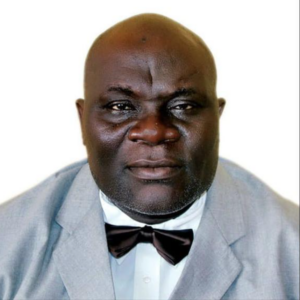
Liberia National Olympic Committee Executives
Executive Team
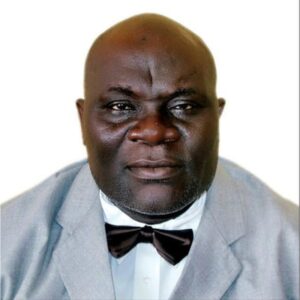
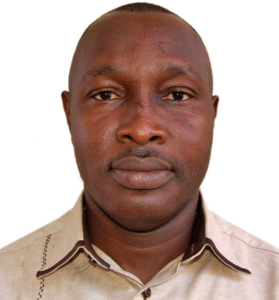
Madam D. Sheba Brown
Vice President for Women’s Affairs
Mr. Saah Roberts Assistant Secretary General